Find the Right Water Filter for Your Home
Water filtration doesn't have to be complicated. Follow these four steps and you'll know exactly what you need — without wasting money on a system that doesn't match your water.
Check My Water Quality →Know Your Water Source
City or municipal water is treated by your utility before it reaches you. That means chlorine or chloramine is almost certainly in your water. Lead is another concern, especially if your home was built before 1986 — it can leach from old pipes after leaving the treatment plant, so utility reports won't catch it.
Private well water gets no municipal treatment. You're responsible for everything. Common issues: iron (staining, metallic taste), sulfur (rotten egg smell), bacteria, nitrates, and hardness. Well water almost always needs more filtration than city water.
Not sure which you have? Your water bill will say "municipal" or "public water system." If you have a well, you know — there's a cap in your yard.
Test Before You Buy

This is the step most people skip. Don't. Buying a filter without testing is like buying medication without a diagnosis — you might get lucky, but you might also spend $800 on a system that doesn't address your actual problem.
For city water: Start with our free ZIP code tool. It pulls EPA violation data for your local water system and shows what's been detected. Then cross-reference with the EWG Tap Water Database for health-based context. If you see anything that concerns you — especially lead or PFAS — order a mail-in lab test ($80-200).
For well water: Order a comprehensive lab test before doing anything else. National Testing Laboratories and SimpleLab (Tap Score) both offer well water panels that cover 100+ contaminants. Budget $150-200 for a thorough test.
Choose Your Filtration Type
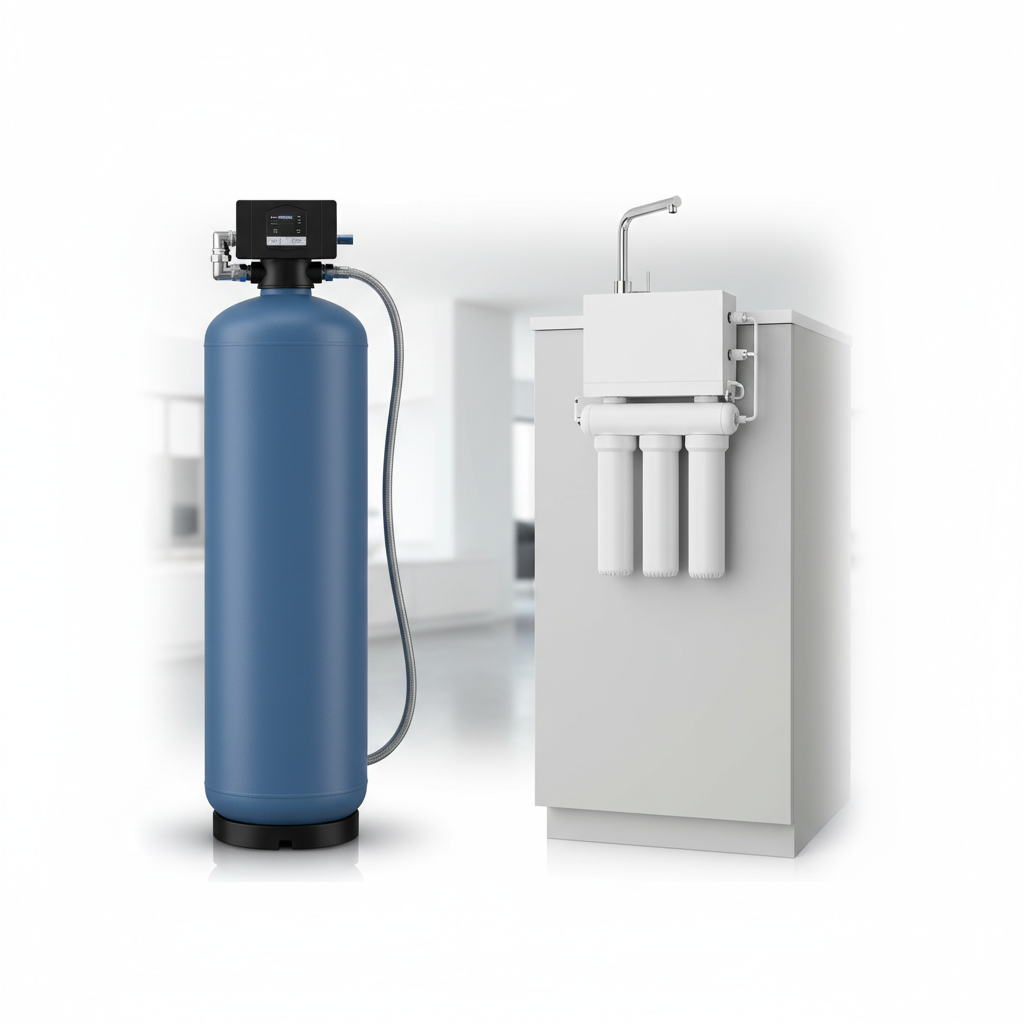
There are four main types of home water filtration. Each does different things and fits different situations.
Whole House Filter
Installed where water enters your home. Filters every tap, shower, and appliance. Best for removing chlorine, sediment, iron, and sulfur at scale. Doesn't remove dissolved contaminants like lead or PFAS without additional stages.
Best for: City water with chlorine/taste issues, well water with sediment or iron.
Under-Sink Reverse Osmosis
Installed under your kitchen sink. Removes 95-99% of dissolved contaminants including lead, PFAS, arsenic, nitrates, and fluoride. Produces the cleanest possible drinking water. Requires its own faucet.
Best for: Lead or PFAS concerns, anyone who wants the cleanest drinking water possible.
Countertop or Pitcher
No installation required. Good for renters, apartments, or targeted improvement at a single tap. Lower upfront cost but higher per-gallon cost over time than under-sink systems.
Best for: Renters, people who want to test filtration before committing to an installed system.
Whole House + Under-Sink (Recommended)
The combination most water quality experts recommend for homeowners. The whole house filter handles volume and protects your appliances. The under-sink RO handles drinking and cooking water at the highest level of purity.
Best for: Homeowners who want comprehensive protection and the cleanest possible drinking water.
Read Our Guides and Pick Your System
Once you know your water source, what's in it, and what type of filtration you need, the picking part gets much easier. Here are our most useful guides:
Still Not Sure? Check Your Water First.
Enter your ZIP code and we'll show you what EPA violation data exists for your local water supply — and recommend the right filtration type based on what we find.
Check My Water Quality →